Discovering the Pink Mosque: A Fusion of Architectural Styles and Spiritual Significance
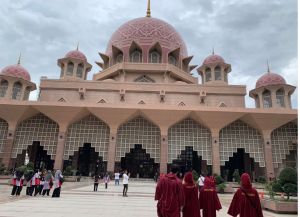
The Pink Mosque, officially known as the Putra Mosque, stands proudly by the Putrajaya Lake, creating a mesmerizing reflection on the water. Built with four floors, this mosque is a beautiful blend of traditional Islamic architecture and influences from around the world. The mosque is designed with the aim of showcasing cultural fusion, drawing from various architectural styles to express unity in diversity. As visitors enter, they scan a QR code at the entrance, receive a gown from the counter, and are guided through the mosque by an informative tour guide.
A Unique Experience: Dressing for Respect and Reverence
Before entering the mosque, visitors are required to dress appropriately. Women must wear a gown and headscarf to cover their hair, while men are only required to wear the gown if they are in shorts. The guide at the QR code scanning station ensures that everyone is properly dressed and explains the cultural significance behind the mosque’s design.
Inside the Mosque: A Spiritual Journey
The mosque has four floors, and the third floor serves as the main prayer hall. It is a serene space where professors give speeches, and the area is divided in half: one side for men and the other for women. While the women’s prayer space on the third floor is somewhat small, the guide takes visitors to the fourth floor, which is dedicated solely to women. The peaceful atmosphere, combined with the intricate architectural details, creates a tranquil environment for worshippers.
Architectural Beauty and Symbolism
Inside, the mosque features exquisite patterns, many of which are floral and plant-based. These designs symbolize nature’s harmony, and the architect’s intent was to express a fusion of cultures through the building’s structure. The use of stained glass windows adds a colorful touch to the interior, allowing sunlight to filter through in a stunning display. The architect also drew inspiration from the natural world, incorporating a honeycomb design in the mosque’s structure. This design symbolizes how bees collect nectar without harming flowers, promoting the idea of benefiting without causing harm to others.
Spiritual Teachings Across Religions
The guide provided additional insights into the spiritual teachings that are universal across faiths. She showed us a Korean-translated version of the Quran, explaining the writings on the mosque’s walls. It was enlightening to reflect on how the Bible, Quran, and Buddhist scriptures all share similar values, despite the differences in religious teachings. Ultimately, the guide emphasized that it’s the way individuals interpret and apply these values that shapes our spiritual journeys.
Exploring the Facilities
The mosque also includes several facilities for visitors, such as a library on the first floor with over 5,000 books, including some in Korean. The second floor is dedicated to the washing area, where visitors cleanse themselves in preparation for prayer. The guide explained that this cleansing ritual is not just about physical cleanliness, but about preparing the mind and soul for worship.
During Ramadan, the mosque offers free meals to visitors in the evening. This is a wonderful opportunity to experience the spirit of community and share a meal with others. The guide invited us to apply for this experience if we ever visited during Ramadan.
The Symbolism of the Minaret and Square
As we stepped outside, the guide pointed out the tall minaret, which, in the past, served as a place to announce prayer times to the surrounding community. While modern technology has replaced this role, the minaret still stands as a symbol of the mosque’s historical significance. The surrounding square, Putra Dataran, is a popular spot for locals to gather, especially in the evenings. The guide also explained that the trees planted in the square symbolize resting places for the horses of worshippers who would once come to drink water.
In the distance, we could see the green-roofed Prime Minister’s office, adding to the picturesque view. The Pink Mosque, a relatively new addition to the area, was designed with symbolism that reflects both the past and the present.
A Personal Experience: Prayer Time and Reflection
During our visit, I had the opportunity to experience a moment of prayer with my Afghan friend, who wore a traditional white prayer robe. We joined the prayer in the mosque, and I was surprised at how short the prayer time was. This experience sparked my curiosity about the nature of the prayers and the significance of such moments in the Muslim faith.
A Late-Night Culinary Adventure in Cyberjaya
After our visit to the Pink Mosque, my friend and I went out for dinner at a Middle Eastern restaurant called Aldar Lounge in Cyberjaya. Despite the late hour, the restaurant was nearly full. My Afghan friend, a regular at the restaurant, guided me through the menu, and I was introduced to a variety of Middle Eastern dishes. This was my first time dining at an Arab restaurant and also my first time eating dinner so late, as I usually cooked for my kids earlier in the evening.
A Unique Dish: The Clay Pot Experience
One dish that caught my attention was a clay pot covered with naan, with salt placed at the bottom and fire lit underneath. Inside the pot were grilled beef, chicken, and vegetables, served in a unique style. The flavors and presentation were unlike anything I had experienced before, and it was an unforgettable culinary experience.

A Reflection on Culture and Connection
The evening spent with my Afghan friend, the visit to the Pink Mosque, and the shared meal at Aldar Lounge highlighted the beauty of cultural exchange and the connections that can be formed through travel, food, and spirituality. Malaysia, with its diverse religious and cultural heritage, offers countless opportunities to explore and learn from different traditions. It reminded me of the shared human experience that transcends religious and cultural boundaries.
Whether you’re visiting the Pink Mosque for its architectural beauty or immersing yourself in the vibrant cultural experiences of Malaysia, this journey offers a deeper understanding of how different cultures coexist and complement one another.
 Education and Life in Malaysia and Korea
댓글 남기기